
04 / APPLICATION GALLERY
Headlamp
series
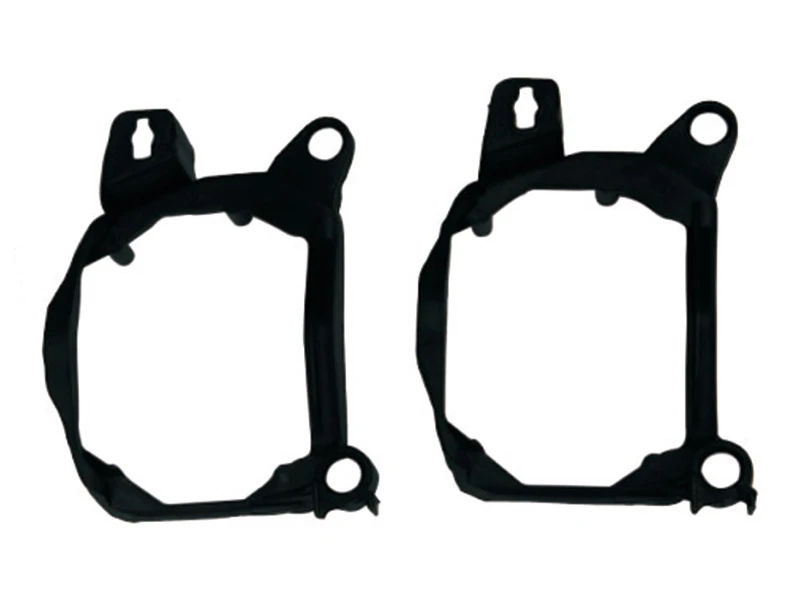
Explore headlamp application examples from the Yuya portfolio. These examples show the lighting components our mould-making work supports.
SELECTED WORK / ORIGINAL YUYA PHOTOGRAPHS
The product
portfolio.
08PORTFOLIO PHOTOS
SELECT AN IMAGE TO ENLARGE
Use the gallery as application context
The headlamp series presents original application images from the Yuya portfolio. It helps buyers and engineers discuss the plastic components behind a lamp’s visible appearance. The gallery is not a catalogue of complete lamps for purchase, and a pictured assembly does not establish the supply scope for every part within it. Begin an inquiry by identifying the component or mould that you want to develop.
Use a marked image to explain the general location and purpose of the part, then support that reference with the current engineering files. For an existing design, include the model revision and the controlled drawing. For a developing concept, list the open decisions and the information that will become available later.
Separate the component interfaces
A transparent cover, an internal bezel and a structural housing have different requirements even when they belong to the same headlamp programme. Identify visible surfaces, locating features, attachment points and adjacent components for the item under review. State which requirements come from styling, optical design, assembly or the production process. This makes unresolved decisions easier to assign to the right engineering owner.
Where several plastic parts need tools, prepare a component list instead of combining everything into one undefined lamp enquiry. Record the material, finish and expected drawing release for each item. Confirm whether the tools will run at the same moulding facility and whether common handover standards are required.
Translate appearance into acceptance criteria
Agree the viewing conditions and references used to judge visible surfaces. Mark where mould parting lines, gate trimming or ejector contact may be acceptable. If a component is coated, decorated or joined after moulding, provide the relevant downstream requirements and identify who will perform and approve those operations.
Check dimensional fit and appearance through separate, traceable records. A photograph of a well assembled lamp is useful for communication, but it does not replace inspection results for the moulded component. If an illuminated assessment is needed, define the test equipment and responsibility for the optical evaluation before sampling.
Turn a reference into an enquiry
Tell Yuya which gallery example is closest to your application and explain the important differences. Provide the component drawings, material grade, intended machine and requested tooling or plastic part scope. Include the documentation and samples needed for your internal approval. Tool manufacture, sample review and any ongoing component supply should be discussed as specific deliverables, with commercial terms agreed for the actual project.
Let’s get into
the details.
01Headlamp application examples
02Lens and housing interfaces
03Lighting component programmes
Each project is reviewed individually. Material, dimensions, surface requirements, tooling specification and delivery timing are confirmed with your team.
LET’S MAKE WHAT’S NEXT